

 Español
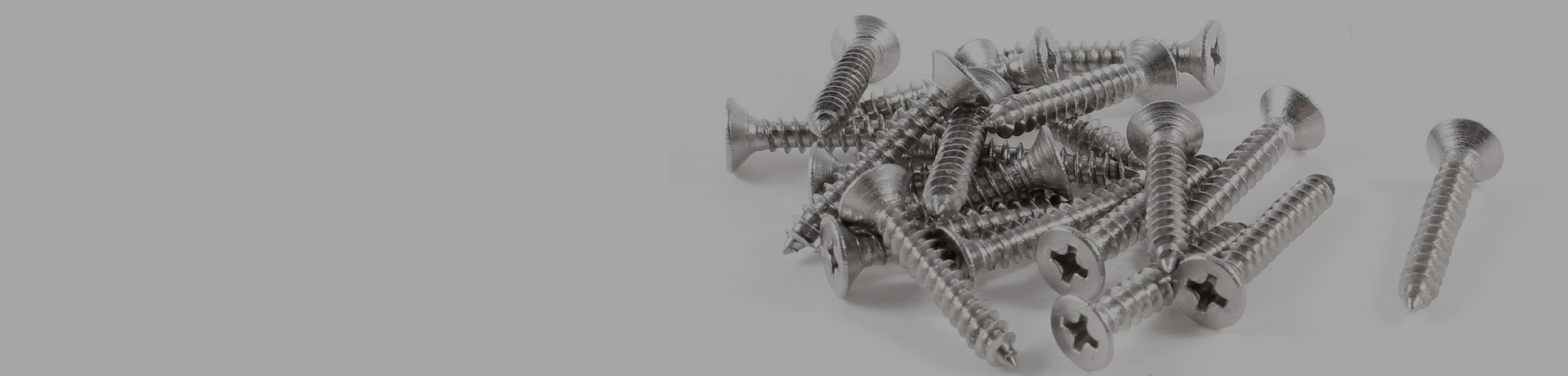
In the realm of industrial assembly and construction, the structural integrity of a project often hinges on the quality and design of the smallest components. The Stainless Steel Screw has long been the standard for projects requiring longevity and resistance to environmental stress. Among the various configurations available, the Hex Washer self-tapping screws stand out as a highly specialized fastening solution. Engineered to provide superior mechanical advantage, these screws integrate a self-drilling capability with a head design that prioritizes torque transmission and ease of installation in challenging environments.
The Architectural Advantage of the Hexagonal Head
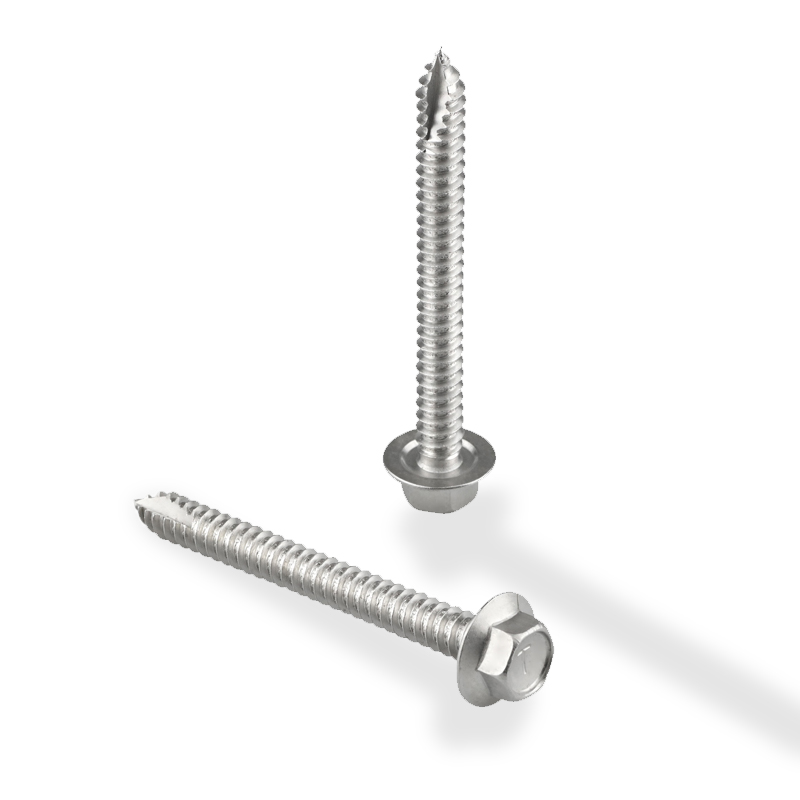
The distinctive feature of the Hex Washer self-tapping screws is its unique hexagonal head design. Unlike standard Phillips or slotted drive systems, which are prone to "cam-out" or stripping under high pressure, the head of the Hex Washer self-tapping screws is in the shape of six corners. This geometry is not merely aesthetic; it is a functional requirement for heavy-duty applications.
The head is usually equipped with a built-in hexagonal thread, which can be tightened by a wrench or a wrench head to provide greater torque transmission. By allowing a tool to grip the entire exterior perimeter of the head, the user can apply significantly more rotational force without damaging the drive interface. This makes the Stainless Steel Screw of this variety ideal for piercing through dense metal sheets or thick timber without the need for a pre-drilled pilot hole.
Maximizing Contact Area and Security
The hex head design creates six sides between the six corners, providing more contact area and making the screws easier to secure and loosen. This increased surface contact ensures that the force is distributed evenly across the fastener, reducing the risk of localized deformation. When a wrench is applied, the pressure is shared by six distinct planes, allowing for a rock-solid lock between the tool and the Stainless Steel Screw.
This stability is crucial when working with Hex Washer self-tapping screws in high-vibration environments. Once secured, the wide base of the "washer" part of the head provides an integrated bearing surface. This built-in washer helps to distribute the clamping load over a wider area, preventing the screw from pulling through the material and ensuring a watertight or air-tight seal when used with neoprene gaskets.
Operational Flexibility in Confined Spaces
In addition to torque advantages, the hex head design also facilitates use in tighter spaces. Because Hex Washer self-tapping screws do not require significant headroom to rotate, they provide greater flexibility and convenience. In scenarios where a traditional screwdriver would be too long to fit vertically, a thin-profile offset wrench or a socket can grip the hex head from the side.
This side-access capability is a game-changer in automotive assembly, HVAC ductwork, and structural steel framing. The Stainless Steel Screw can be driven home even when there is only a few centimeters of clearance above the fastener, allowing engineers to design more compact and efficient structures without sacrificing the ease of maintenance.
Technical Specifications and Performance Metrics
The following table provides a breakdown of the technical characteristics of the Hex Washer self-tapping screws made from high-grade Stainless Steel:
|
Property Category |
Technical Specification |
Functional Benefit |
|---|---|---|
|
Product Keyword |
Stainless Steel Screw |
Superior corrosion resistance and durability |
|
Drive Type |
Hex Washer self-tapping screws |
High torque transmission and side-access capability |
|
Head Geometry |
Hexagonal (Six-cornered) |
Six points of contact to prevent stripping |
|
Drilling Tip |
Self-tapping / Self-drilling |
Eliminates the need for pre-drilled pilot holes |
|
Material Grade |
304 or 316 Stainless Steel |
Suitable for marine and outdoor environments |
|
Washer Design |
Integrated Flange/Washer |
Even load distribution and surface protection |
Material Integrity of the Stainless Steel Screw
The choice of material for Hex Washer self-tapping screws is just as important as the head design. When manufactured as a Stainless Steel Screw, the fastener gains an inherent resistance to oxidation. This is particularly important for self-tapping applications where the screw's threads are in direct, high-friction contact with the substrate.
Standard carbon steel screws can suffer from surface damage during the "tapping" process, which exposes the raw metal to moisture and leads to premature failure. In contrast, the chromium-rich oxide layer of the Stainless Steel Screw is self-healing. Even if the surface is slightly abraded during a high-torque installation with a wrench, the material maintains its structural integrity, making it the preferred choice for long-term outdoor fixtures and chemical processing equipment.
Precision Installation with Hex Drive Tools
Because the Hex Washer self-tapping screws are designed for wrench-driven applications, they allow for much more precise tension control. Professional installers can use calibrated torque wrenches to ensure that every Stainless Steel Screw is tightened to exact engineering specifications. This is nearly impossible with manual screwdrivers, where the force applied is subjective and inconsistent.
The hexagonal thread interface ensures that there is zero slippage between the wrench head and the screw. This "positive lock" is what allows for the rapid assembly of steel structures. In large-scale operations, the use of magnetic hex-head drivers on power tools further increases efficiency, as the Hex Washer self-tapping screws stay firmly attached to the tool even when being driven at awkward angles or in high-wind conditions.
Versatility Across Substrates
The application range of the Stainless Steel Screw with a hex washer head is extensive. While the "self-tapping" moniker implies use in metal, these screws are equally effective in composites and treated lumber. The sharp, hardened threads cut their own path, creating a tight-fitting internal thread in the substrate that maximizes pull-out resistance.
In metal-to-metal applications, the Hex Washer self-tapping screws function like a drill bit and a bolt in one. The tip clears the material, and the hex head provides the leverage needed to drive the threads through the hole. In metal-to-wood applications, the integrated washer ensures that the metal sheet is held firmly against the wood without crushing the fibers of the timber. This multi-material capability makes the Stainless Steel Screw a foundational component in modern modular construction and roofing systems.
Mechanical Stability and Safety
Finally, the safety aspect of the hex head cannot be overlooked. Standard screws can often have sharp edges if the drive slot is damaged during installation. However, the smooth, rounded corners of a properly seated Hex Washer self-tapping screws minimize the risk of injury to personnel handling the equipment later. The stable body design and the secure grip of the hexagonal drive system mean fewer accidents during the construction phase, as tools are much less likely to slip and strike the user. By combining the high-strength properties of the Stainless Steel Screw with the mechanical advantages of the hex washer head, manufacturers provide a fastening solution that is as safe as it is effective.

 Email:
 Telephone: +86-0575-82569998
 Phone: +86-18268538885



