

 Español
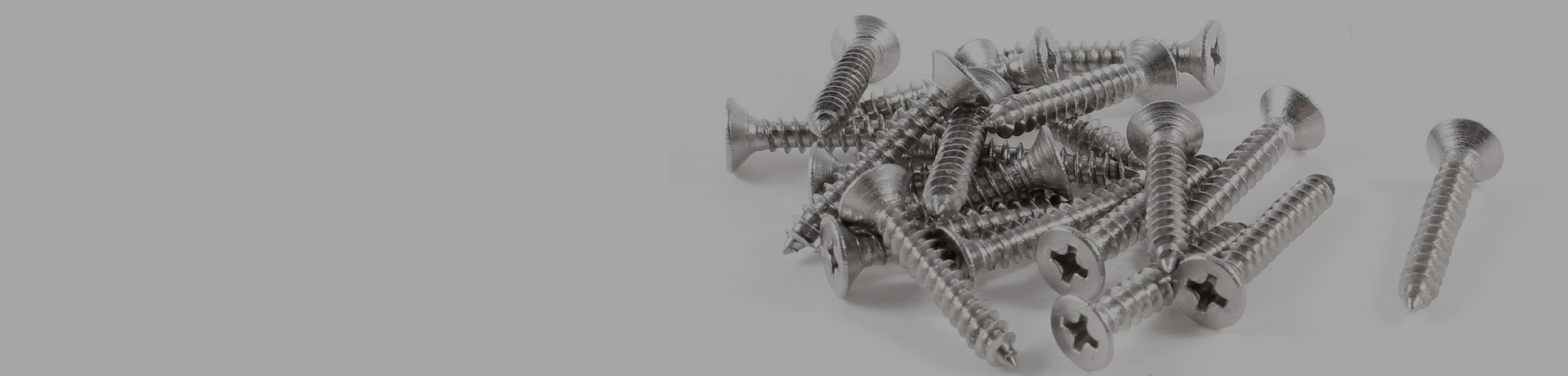
The widespread adoption of engineered wood products has transformed modern furniture manufacturing, interior design, and construction. Among these materials, chipboard, which is also commonly referred to as particle board, has become a standard choice for cabinetry, shelving, subflooring, and wall panels due to its flat surface, consistency, and cost effectiveness. However, working with chipboard presents unique mechanical challenges that distinguish it from solid timber or plywood. Because of its internal structure, selecting the correct fastener is critical to ensuring the longevity and stability of any project.
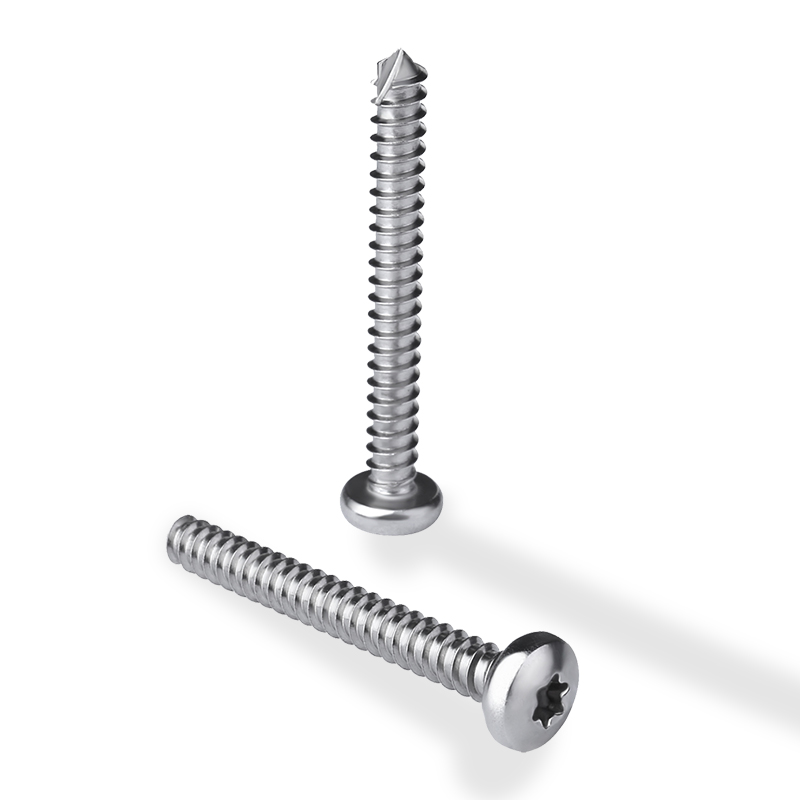
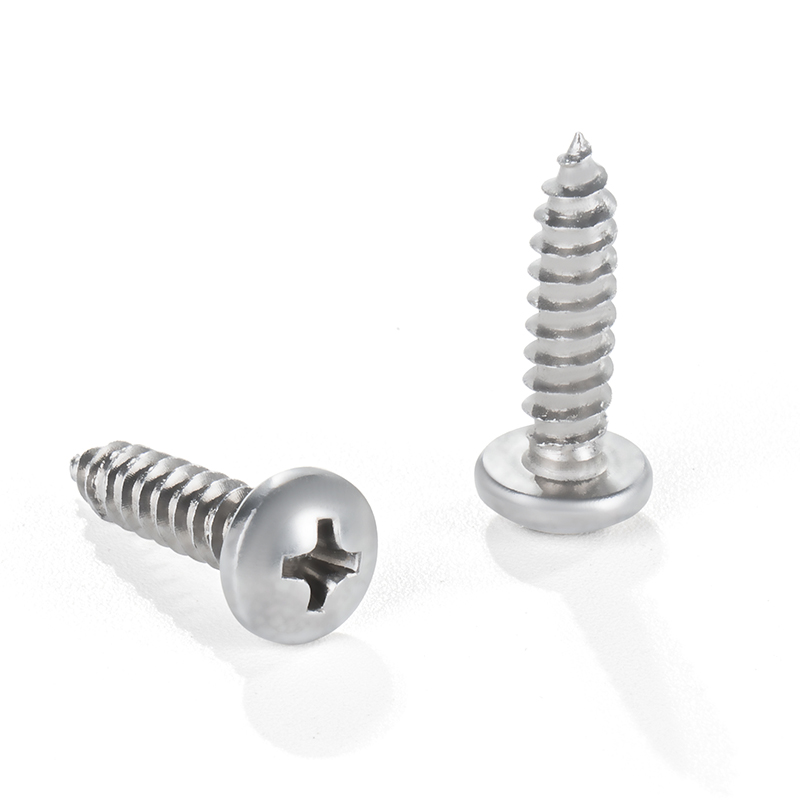
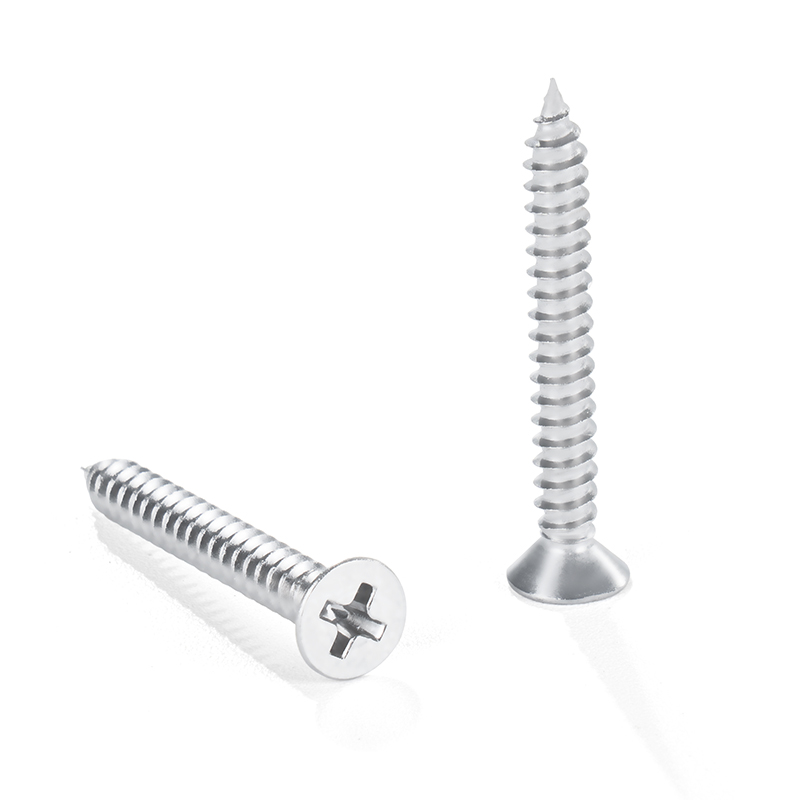
The primary challenge of securing components to particle board lies in the material composition itself. Traditional wood screws often fail to provide a lasting hold, leading to loose joints, stripped threads, and structural failures. To address these issues, specialized fasteners have been developed to maximize grip and prevent material damage. Among these solutions, Stainless Steel Chipboard Screws have emerged as a highly reliable option, offering a combination of specialized thread geometry and exceptional material durability. Understanding the physical science of how these screws interact with composite materials is essential for achieving professional and long lasting results.
Understanding the Structure and Composition of Chipboard
To understand why specific fasteners are required for chipboard, it is first necessary to examine the physical properties and manufacturing process of this engineered wood material. Chipboard behaves differently under mechanical stress compared to natural lumber, which directly impacts how a screw thread holds within the board.
The Density and Grain Challenges of Particle Board Materials
Chipboard is manufactured by binding small wood chips, sawdust, and shavings together with a synthetic resin adhesive under high heat and pressure. This process creates a dense sheet material that lacks the natural grain structure of solid wood. In solid timber, wood fibers run parallel to one another, creating a natural grain pattern that can flex and compress around an inserted screw thread. This flexibility allows solid wood to exert continuous radial pressure on the fastener, creating a strong mechanical lock.
In contrast, chipboard consists of millions of multi directional wood particles suspended in a hardened resin matrix. This random distribution means there is no continuous grain to absorb and distribute mechanical forces. When a screw is driven into chipboard, the material does not flex easily. Instead, the compressed particles are prone to crumbling, delaminating, or splitting if subjected to excessive lateral pressure. The core of a chipboard panel is typically less dense than its hard outer surfaces, meaning that the center of the board offers less resistance to thread pullout and structural loads.
Why Standard Wood Screws Often Fail in Composite Wood Panels
Standard wood screws are designed with a tapered shank and relatively shallow, closely spaced threads. This design is highly effective in solid wood because the tapered shank wedges the flexible fibers apart, while the shallow threads grip the dense grain. However, when a standard wood screw is driven into chipboard, this wedging action becomes a major disadvantage. The thick, tapered shank displaces a large volume of the composite material, pushing the resin bonded chips outward and causing the brittle core to crumble. This displacement often leads to severe edge splitting, especially when fasteners are placed near the borders of a panel.
Furthermore, the shallow threads of a standard wood screw do not penetrate deeply enough into the softer core of the chipboard. Because the material between the closely spaced threads is easily pulverized by the insertion force, the screw can easily strip the hole. This stripping action occurs when the screw spins freely without tightening, indicating that the internal structure of the joint has been destroyed and the fastener has lost all holding power. Once a standard wood screw has stripped a chipboard hole, the joint cannot be easily repaired without using specialized anchors or relocating the fastener.
Core Characteristics of the Ideal Chipboard Screw
To overcome the structural limitations of composite wood panels, specialized chipboard screws feature specific engineering designs that minimize material damage while maximizing holding power. These design elements ensure that the screw can be inserted smoothly and remain secure under continuous load.
The Importance of Deep Coarse Threads and Thin Shafts
The most critical feature of a proper chipboard screw is the relationship between the shaft diameter and the thread depth. Unlike standard wood screws, high quality chipboard screws are engineered with an exceptionally thin inner shaft, which is also known as the root diameter. This slender profile ensures that minimal material is displaced during insertion, drastically reducing the internal pressure within the board and preventing the surrounding particles from crumbling or splitting.
Surrounding this thin shaft are deep, widely spaced threads. The coarse pitch of these threads means there is a greater distance between each turn of the screw. When the screw is driven into the chipboard, these deep threads cut cleanly into the resin bonded chips, capturing a large volume of the material between them. This captured material acts as a solid anchor, distributing the pulling forces over a wider area and providing exceptional resistance to pullout forces. By maintaining a high ratio between the outer thread diameter and the inner shaft diameter, these fasteners deliver superior mechanical locking in low density composite cores.
Self Tapping Tips and Double Countersunk Head Designs
The physical features at both ends of a chipboard screw are equally important for ease of installation and structural integrity. At the point of entry, the screw must have a sharp, self tapping tip. This sharp point allows the screw to pierce the hard, laminated surface of modern chipboard without sliding or wandering across the panel. Many advanced chipboard screws also feature a small notch or cut along the first few threads, which acts as a miniature cutting blade, carving a clean path through the material and clearing debris as the screw advances.
At the head of the fastener, a double countersunk design is highly beneficial. A standard countersunk screw head has a single angled surface that can exert outward wedging pressure as it sinks into the material, which often causes the surface veneer of the chipboard to crack or lift. A double countersunk head features two distinct angles beneath the head, which increases the structural strength of the screw neck and prevents the head from shearing off under high torque. This design also allows the head to cut a clean, circular recess into the board, ensuring that the screw sits perfectly flush with the surface without tearing the protective melamine or laminate paper coating.
Why Stainless Steel Chipboard Screws Offer Superior Performance
While carbon steel screws with zinc or yellow passivated coatings are widely used in indoor furniture, certain applications demand a higher level of material performance. Stainless Steel Chipboard Screws provide unique physical and chemical advantages that make them the preferred choice for demanding environments.
Corrosion Resistance in Humid and Outdoor Environments
One of the primary vulnerabilities of chipboard installations is exposure to moisture and high humidity. Although chipboard itself is often treated with moisture resistant resins, water can still penetrate the edges and fastener holes. When moisture enters the board, it creates a highly corrosive environment for metal fasteners. Standard carbon steel screws rely on thin surface coatings of zinc to prevent rust, but these coatings can be easily scratched or worn away during installation.
Once the protective coating is compromised, carbon steel will begin to oxidize rapidly in the presence of moisture. This rust not only weakens the metal shank of the screw, leading to potential structural failure, but it also expands, exerting outward pressure that can cause the surrounding chipboard to swell, crack, and lose its cohesive strength. Stainless Steel Chipboard Screws, particularly those manufactured from grade three hundred and four or grade three hundred and sixteen stainless steel, contain high levels of chromium and nickel. These elements form a self healing oxide layer on the surface of the screw, providing continuous protection against corrosion even if the screw is scratched during high torque installation.
Durability and Shearing Prevention Under Structural Loads
Stainless steel is highly valued not only for its chemical resistance but also for its mechanical properties, including excellent tensile strength and ductility. When furniture, shelving, or subflooring is subjected to everyday use, the joints experience continuous dynamic loads and vibrations. For example, kitchen cabinets must support the weight of heavy cookware, while subfloor panels must bear the weight of foot traffic and heavy appliances. These forces exert significant shear stress on the screws holding the joints together.
Brittle metal fasteners, such as certain hardened carbon steel or drywall screws, can snap suddenly when subjected to these lateral shear forces. Stainless steel, however, possesses a higher degree of ductility, which means it can slightly flex and absorb mechanical stress without fracturing. This flexibility ensures that the joints remain intact under dynamic loads, preventing catastrophic failures and maintaining the structural integrity of the assembly over many years of continuous service.
Comparative Analysis of Fastening Options for Particle Board
To clarify the practical performance differences between various fastener types, it is helpful to compare their functional characteristics. The table below outlines how Stainless Steel Chipboard Screws compare to standard wood screws and drywall screws when used in composite wood panels, without referencing specific manufacturer parameters or using prohibited punctuation.
|
Fastener Type |
Thread Depth and Pitch |
Material Displacement Risk |
Corrosion Protection Level |
Ideal Application Areas |
|---|---|---|---|---|
|
Stainless Steel Chipboard Screws |
Deep coarse threads with wide pitch |
Extremely low due to slender inner shaft |
Outstanding inherent rust resistance |
Humid indoor spaces, outdoor decking, and heavy utility cabinets |
|
Standard Wood Screws |
Shallow threads with tight pitch |
High risk of edge splitting and crumbling |
Moderate depending on surface coating quality |
Dry indoor solid timber framing and basic joinery |
|
Drywall Screws |
Fine or coarse threads with brittle core |
Moderate risk of structural shearing |
Low black phosphate coating offers minimal protection |
Temporary gypsum board installation only |
Essential Installation Techniques to Prevent Board Damage
Even the most advanced fastener cannot perform effectively if it is installed incorrectly. Achieving a strong, reliable joint in chipboard requires a careful approach that respects the delicate physical properties of resin bonded wood particles.
The Necessity of Pre Drilling Pilot Holes and Countersinking
Many modern chipboard fasteners are marketed as self drilling, meaning they can theoretically be driven directly into the material without prior preparation. While this may be acceptable in the dense center of a large panel, pre drilling a pilot hole is highly recommended when fastening near the edges or corners of a chipboard sheet. Near the edges, the lateral forces exerted by the screw threads can easily overcome the adhesive strength of the resin, leading to visible bulging and splitting.
The pilot hole should be drilled using a bit that matches the root diameter of the screw shaft, which is the solid core of the screw excluding the threads. This ensures that the shaft can enter the hole freely while the deep threads can still cut deep into the surrounding material. Additionally, using a dedicated countersinking bit to create a shallow recess for the screw head is highly beneficial. This pre formed recess prevents the screw head from tearing the fragile surface laminate, ensuring a clean, professional finish that lies perfectly flush with the panel surface.
Avoiding Over Tightening and Torque Settings in Power Tools
One of the most common mistakes made during chipboard assembly is over tightening the fasteners. Because chipboard does not have the same elasticity as solid wood, it cannot recover once the internal structure of the hole has been stripped. If a power drill is allowed to spin the screw freely after it has seated flush, the rotating threads will act as a drill, grinding the surrounding wood chips into a fine powder and completely destroying the mechanical joint.
To prevent this issue, operators should utilize the adjustable clutch settings on their power drills. By setting the torque clutch to a low level, the drill will automatically stop driving once the screw head meets the surface resistance of the board. For highly delicate work, such as attaching hinges to cabinet doors, finishing the final few turns of the screw with a manual screwdriver is often the safest method. This manual control allows the installer to feel the exact point of resistance, securing the joint firmly without risking material damage.
Practical Applications and Material Compatibility
The unique combination of specialized thread geometry and superior material properties makes certain fasteners highly suitable for specific construction and woodworking projects. Understanding where these screws excel helps designers and builders make informed decisions.
Kitchen Cabinet Assembly and Bathroom Furniture Installation
Kitchens and bathrooms are demanding environments for furniture due to high levels of humidity, steam, and frequent cleaning with liquid agents. In these spaces, most cabinets are constructed from melamine faced chipboard, which provides a clean, water resistant surface but remains vulnerable to moisture penetration at the joint interfaces and screw holes.
Using Stainless Steel Chipboard Screws in these applications prevents the occurrence of rust, which can quickly degrade the holding power of cabinet hinges and drawer slides. Because kitchen cabinet doors are opened and closed thousands of times, the hinges are subjected to constant leverage forces. The deep, coarse threads of a dedicated chipboard screw ensure that the mounting plates remain anchored firmly in the cabinet walls, preventing the doors from sagging or pulling loose over time.
Subfloor Prep and Structural Decking Projects
In residential and commercial construction, thick, high density chipboard panels are frequently utilized as subflooring material, laid over wooden joists to create a flat base for carpets, hardwood, or tile. These subfloor panels must be secured with absolute rigidity to prevent shifting, which is the primary cause of annoying floor squeaks when occupants walk across the room.
Stainless steel fasteners are highly suitable for subfloor installation because they can withstand the natural deflection and movement of the building structure without snapping. Furthermore, in areas where subfloors are installed over damp crawl spaces or concrete slabs, the superior corrosion resistance of stainless steel ensures that the fasteners will not degrade due to rising damp. By maintaining a secure, rust free hold, these screws prevent the panels from lifting, ensuring a quiet, stable, and durable floor system that lasts for decades.

 Email:
 Telephone: +86-0575-82569998
 Phone: +86-18268538885



